Importers & food manufacturers
Compare grade specifications, blending tolerances, batch tests and available packing routes for beverage, bakery and food-service customers.
Compare Japanese production partners, latte profiles and commercial lots for your ingredient business, café group or hotel portfolio.
Keep your existing supplier. Evaluate a second Japanese route against your specification, target landed cost and destination requirements.
This guide focuses on EU procurement. Buying for the United Kingdom? Use our UK guide →
For importers and ingredient distributors in Germany, the Netherlands, France, Spain and other European markets, start with the end use—not the region name alone.
Compare grade specifications, blending tolerances, batch tests and available packing routes for beverage, bakery and food-service customers.
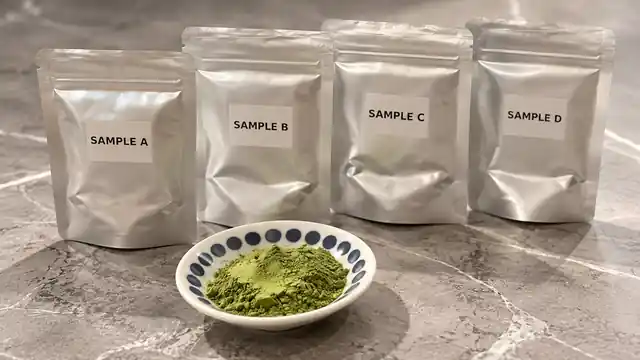
Evaluate samples with a consistent recipe, serving dose and milk. Use the results to define an acceptable specification for future commercial lots.
Begin at one property or through an existing food-service distributor. Add hotel-branded retail products once product fit and the buying route are established.
Send your first-shipment requirement, expected monthly demand, intended use and target delivered cost. We shortlist Japanese options and review the proposed lot and packing route with supply partners.
Request a Sourcing Comparison →Ask for the sample reference and commercial lot relationship, available analysis, packing specification, quotation validity and named delivery term.
Review these points with your importer before committing to a product. A reference test report is not automatically a report for the shipment lot.
EU pesticide maximum residue limits apply to imported food. Specify the relevant testing panel, reporting limits, sample identity and shipment-lot coverage; a generic COA alone does not establish compliance.
Organic imports into the EU require the appropriate electronic certificate of inspection through TRACES. Review the control body, operator and product scope before marketing a lot or finished pack as organic.
Identify the importing company, entry country and retail or ingredient use. Review labeling, traceability, duties, transport and delivery responsibilities with the importer.
Official references: European Commission: pesticide MRLs ↗ · Organic imports and e-COI ↗
For the UK, Switzerland, Norway or another non-EU destination, specify the country so its own import route can be reviewed. Product documents and supply terms are confirmed for the proposed route.
Test Japanese matcha in breakfast, lounge or café service. Track preparation, cost per serving and reorder needs before discussing additional properties. Explore authorised hotel-brand tins and pouches as a separate retail project.
Yes. Share the required grade, monthly range and first delivery window. We assess production allocation and alternatives with Japanese partners before offering supply terms.
No. The importer and control body need to confirm the actual product, operator certification and consignment documentation, including the appropriate e-COI. Finished private-label packaging also needs its own scope review.
MATCHA PORT is a Japan-based sourcing desk. We do not claim a European warehouse; a quote identifies the actual shipping origin, lot and delivery scope.
Yes. Approximate quantity is optional on the standard enquiry form. Describe the use and market so we can begin with a suitable evaluation route.
Ingredient distribution, recurring matcha procurement and hotel F&B sourcing.